📣 Check out Our Upcoming Events in 2026 — A new year of growth, inspiration, and fearless connections awaits!
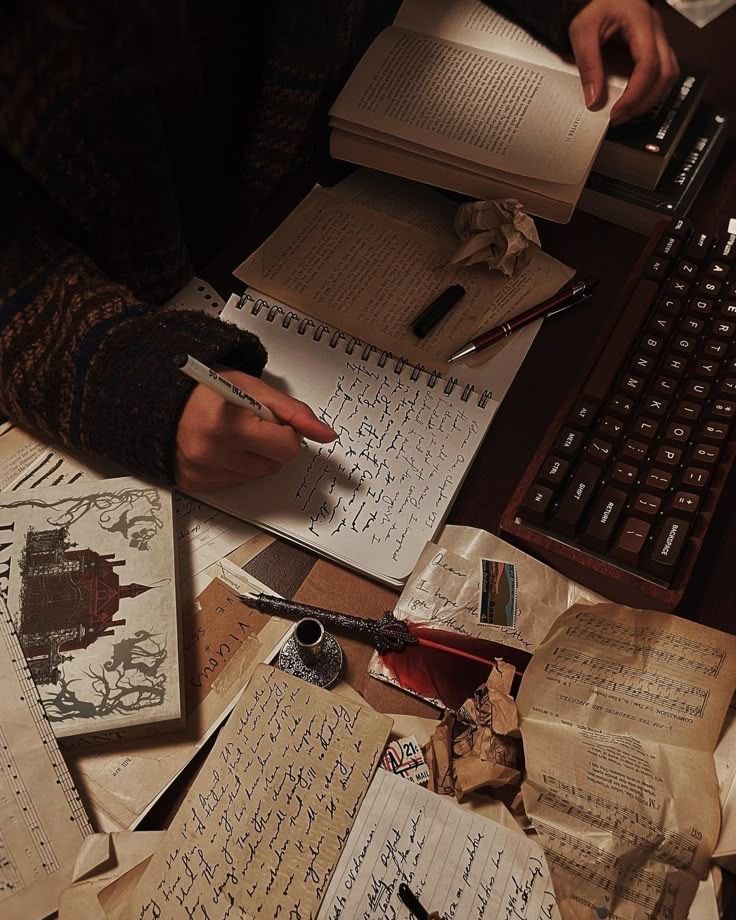
If you’ve ever thought, “My story doesn’t matter,” I’m here to tell you—you’re mistaken. The world doesn’t just need bestsellers; it needs truth-tellers. Your experiences, your lessons, your voice—these are the things that can move hearts and change perspectives. The moment you decide to put them into words, you give them the power to outlive you, to cross the oceans surrounding you, and to give breath to a wandering soul.
Storytelling is an art that has been around for centuries. From ancient oral traditions to vibrant paintings on cave walls to the books and blogs we have today, humans have always told stories to be remembered and to connect with one another.
History gives us numerous examples, one notable one being Anne Frank. When she started writing in her diary, pouring out her unfiltered fears, she never thought her words would travel farther than the enclosed attic she called ‘home.’ Yet, over 80 years later, her voice still lives on through her diary, now a world classic that stands as both a testament to the human spirit and a powerful reminder of the horrors of war. Frank never lived to see her diary published, but her legacy gave a voice to millions and connected with people who had faced or are facing similar situations.
The same is true of Paul Kalanithi, a neurosurgeon who wrote When Breath Becomes Air while facing terminal lung cancer. He went from a doctor treating the dying to a patient struggling to live. Kalanithi never saw the book released, passing away only ten months before publication, but his reflections on life and mortality continue to comfort and challenge readers today. His story proves that even in our most personal struggles, writing can illuminate someone else’s path.
Jose Antonio Vargas, when writing Dear America: Notes of an Undocumented Citizen, didn’t set out to become a bestseller, he set out to tell the truth. His story about living as an undocumented immigrant in the United States made the issue often spoken about in statistics seem more real. He helped others like him who were forced to lie to get by to feel seen and gave readers outside his experience a deeper understanding of what it means to live in the shadows. His honesty sparked conversations, challenged assumptions, and created connections across divides. A person’s courage to write can bloom outwards and evoke changes to others’ perspectives about certain topics in society.
Anne, Paul, and Jose’s stories are only a few of many; people who never viewed themselves as “professional authors,” yet knew their story mattered enough to write it down, leaving a piece of themselves behind for future generations to learn from. Their words became windows into the past, showing us the choices that shaped history, the mistakes that sparked conflicts, and the patterns that continue to linger today. Reflecting on the past gives us wisdom, but storytelling doesn’t just live in history books.
The same ripple effect happens quietly, every day, in ways we might not even notice.
If a mother with a special needs child writes a blog entry about her daily challenges, small wins, or advice for navigating the medical system, then another mother, who feels isolated and overwhelmed, might stumble upon it and find comfort in her words. That one post could lead to a conversation, a friendship, or maybe even a support group that can change lives.
Likewise, a short two-minute Instagram reel of someone sharing their story could spark a chain reaction, starting from a simple post to a full-blown movement. Stories, whether told in a published book, typed into a late-night blog entry, or shared in a fleeting social media highlight, are bridges that connect people and grow communities.
Thanks to globalization and the invention of social media, it’s much easier to get your voice out there and find your audience. It’s important to remember not to be disheartened if your story doesn’t connect with people at first. Not everyone is your client; not everyone would relate. Yes, you may not have as many likes compared to the bigger names, but those likes that you have are from people who appreciated that you were brave enough to share your tale.
Your story matters because nobody else has lived your life. They don’t know your feelings and what’s going on in your head. That’s what makes your voice important. Every experience, triumph, and lesson you’ve had is uniquely yours, and that perspective is valuable. Just a single person resonating with your story makes it worth sharing.
Don’t let writing feel like ‘work’ for you. See writing as an outlet; a place to release frustrations, confront doubts, face fears, and celebrate your victories. It’s the time to let your imagination run free and allow yourself to heal. You get to dig deep within yourself and sometimes end up discovering things that you never knew before. Even if you’re not a famous author, by writing your story, you build confidence and clarity, sharpen your voice, and make someone else’s day.
Your story matters, and it can reach others in ways that only you can. People are drawn to honesty and authenticity, not perfection. So write your own pages, even if they’re messy or undefined, because regret is the heaviest chain, and the joy of sharing your truth is the rarest find.
Schedule a complementary call with us to go over your requirements and see how we could help you flourish.
